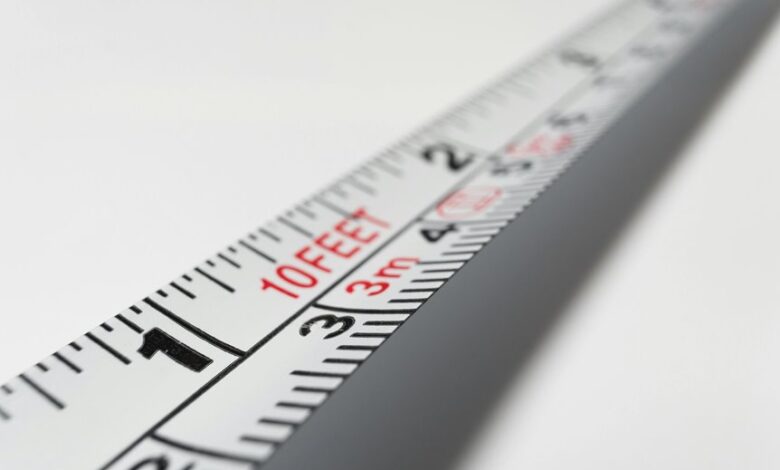
The discussion centers on converting 170 cm to feet with exact precision. Using the standard factor, 1 inch = 2.54 cm, 170 cm equals 66.9291 inches, which is 5 feet 6.9291 inches. This precise breakdown supports consistent data handling across medical, apparel, and travel contexts. The implications for interoperability are clear, yet the practical steps and verification methods invite closer inspection, leaving a practical path forward for those who seek exactitude.
What 170 Cm Looks Like in Feet: the Exact Result
There is no uncertainty about the exact conversion: 170 centimeters equals 5 feet 6.9291 inches. The depiction of 170 cm in feet translates to precise dimensioning rather than narrative embellishment.
In a data-driven frame, measurements establish a concrete reference point, with the unrelated topic and irrelevant discussion treated as outside scope. This ensures clarity, freedom, and detached objectivity.
Step-By-Step: Convert 170 Cm to Feet and Inches
To convert 170 cm to feet and inches, one can start with the exact conversion factor: 1 inch equals 2.54 cm, and 1 foot equals 12 inches.
The calculation yields 170/2.54 ≈ 66.9291 inches, i.e., 5 feet 6.9291 inches.
This demonstrates unit conversion and measurement accuracy in a precise, data-driven framework.
Practical Uses: When to Convert and How to Check Your Measurements
Practical uses for converting height measurements arise in contexts requiring interoperability across systems, such as medical records, clothing sizing, and international travel.
The discussion focuses on practical considerations for choosing appropriate units and maintaining consistency across datasets.
Measurement accuracy relies on standardized rounding and verifiable references, enabling reliable comparisons and error reduction while preserving user autonomy and ensuring clear communication across diverse applications.
Common Quick-Convert Tricks: Swap Between Metric and Imperial Easily
Common quick-convert tricks streamline the swap between metric and imperial units, enabling rapid checks without a calculator. These methods emphasize repeatable constants, such as 2.54 cm per inch and 1 inch ≈ 2.54 cm, to support height comparison across systems. They also aid clothing sizing decisions, reducing ambiguity when translating measurements for international garments. Precision-driven, users maintain autonomy and informed choice.
Conclusion
In a land of shifting scales, data is the steadfast compass. 170 cm, mapped to 66.9291 inches, becomes 5 feet 6.9291 inches—an exact beacon amid uncertainty. Like a lighthouse in columns of numbers, the precise conversion guides medical charts, apparel databases, and travel logs, ensuring interoperable truths across shores. Allegorically, a measured seed grows into a clearly defined tree, its height and roots checked by exact arithmetic, leaving no room for guesswork in the forest of measurements.