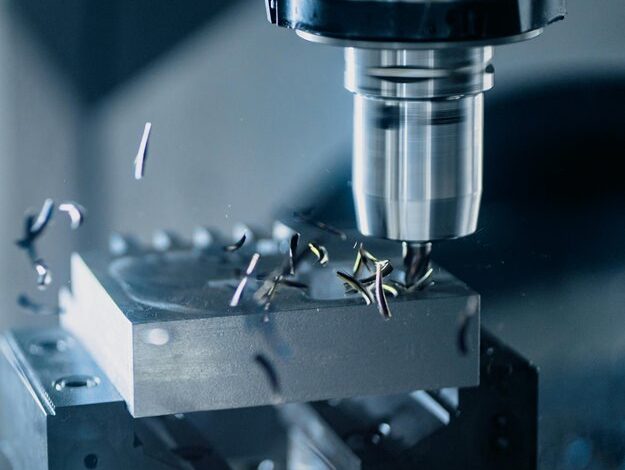
CNC Scenarios: Meaning and Awareness Guide translates theory into practical shop-floor decisions. It highlights how operators assess risk, plan actions, and preserve tool integrity within safety and compliance standards. The guide emphasizes observable results, auditable steps, and clear accountability, while preserving autonomy within procedures. By linking scenario cues to established workflows, teams achieve consistent, safe, and repeatable performance under changing production demands. The question remains: how will these cues shape everyday choices on the shop floor?
What CNC Means in Modern Manufacturing
CNC, or computer numerical control, refers to the automated control of machine tools using coded instructions. In modern manufacturing, CNC integrates iteration, accuracy, and repeatability, enabling scalable production and customization. The system supports precision governance through standardized procedures and traceable outputs. It also enhances process transparency, documenting tool paths, tolerances, and calibration, ensuring accountable, auditable workflows without sacrificing operational freedom.
How to Read CNC Jargon on the Shop Floor
Operators on the shop floor encounter a specialized vocabulary that governs setup, execution, and quality control. The reader navigates concise definitions, common phrases, and procedural shorthand without ambiguity. Machine language conveys coded instructions, while tool geometry informs cutting behavior and wear patterns. Mastery arises from consistent interpretation, cross-checking notes, and disciplined communication, ensuring predictable results and operational freedom within established tolerances.
Safety and Compliance in CNC Environments
Safety and compliance in CNC environments establish the framework for safe operation, regulatory adherence, and consistent process quality. This discipline defines responsibilities, risk controls, and documentation practices that support autonomy within boundaries. Readers recognize how safe practices and compliance standards shape workflows, tool selection, maintenance, and inspection schedules, ensuring reliable outcomes while preserving worker independence and machine integrity.
Real-World CNC Scenarios and Quick Takeaways
Real-world CNC scenarios illustrate how theoretical concepts translate into daily manufacturing decisions, highlighting common challenges, decision points, and measurable outcomes. These cases emphasize decisive planning, risk assessment, and rapid iteration. Hands on training informs operator judgment during setup and tool changes. Equipment maintenance underpins uptime, precision, and consistency, enabling teams to translate insights into repeatable performance while maintaining safety and compliance standards.
Conclusion
CNC scenarios translate theory into practice, guiding operators to assess risk, verify tool integrity, and maintain compliance under changing workloads. By documenting actions and outcomes, teams ensure traceability and continuous improvement. The guide reinforces disciplined autonomy within standards, turning everyday decisions into auditable steps. In this disciplined factory, success is a well-tuned machine: precise input yields reliable output, and each safe choice keeps the whole system running smoothly. Metaphor: a well-lubricated gear, turning reliably through time.