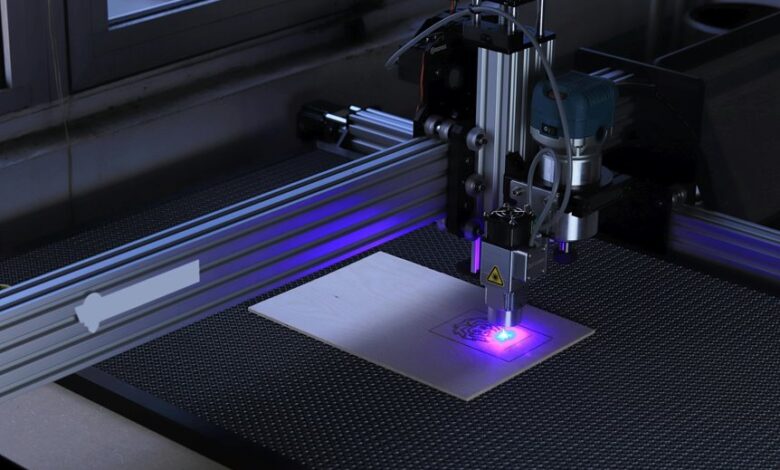
CNC Play explores how curiosity can align with disciplined practice in machine tools, controls, and software. It frames exploration within defined limits and measurable progress. The discussion identifies rapid kinematics, high-energy tooling, and software complexity as primary risks, then pairs them with verifiable workflows and sensor-based monitoring. The goal is to foster repeatable, safe outcomes through planning, tool selection, and defined checkpoints. The stakes suggest a careful balance that invites further scrutiny and practical application.
What CNC Play Really Means for Beginners
CNC play refers to engaging with computer numerical control systems in a manner that combines curiosity with practical exploration of machine tools, controls, and software. It is analyzed as an iterative process where meaningful basics are identified, workflows are tested, and safety protocols are internalized. For newcomers, a beginner mindset translates exploration into repeatable, measurable progress within defined limits and objectives.
The Key Risks in CNC Work and How They Show Up
The key risks in CNC work arise from the intersection of rapid kinematics, high-energy cutting tools, and complex control software, which together can produce unintended motion, tool wear, or part faults if not properly managed.
In practice, getting started requires disciplined planning: tool selection, feed-rate discipline, sensor feedback monitoring, and fault recognition to prevent cascading failures and maintain consistent part quality.
Safe, Beginner-Friendly Workflows You Can Start Today
Focusing on practical, safe workflows enables beginners to apply core risk-mitigation concepts from prior discussions to concrete tasks. This analysis identifies clearly defined steps, tooling standards, and verification checkpoints that support deterministic outcomes. The aim is to cultivate autonomous, responsible practice. Written guidance emphasizes repeatable, beginner friendly processes, emphasizing cnc play within controlled parameters and straightforward verification for workflows today.
Red Flags That Signal Costly Mistakes: and How to Prevent Them
What red flags most reliably forecast costly mistakes in CNC play, and how can these signals be intercepted before material loss occurs?
The analysis identifies danger signs such as unexpected tool wear, misalignment, drift in feeds, and calibration errors as precursors to cost traps.
Systematic equipment checks and disciplined material handling reduce risk, enabling proactive intervention and safer, freer machining outcomes.
Conclusion
CNC Play crystallizes as a disciplined symphony of curiosity and control, where a beginner’s questions become machine-readable hypotheses and each cut tests a hypothesis against measurable reality. The risks, while formidable, are navigable through rigorous planning, conservative speeds, and continuous sensor feedback. Safe workflows convert exploration into repeatable success, while red flags function as relentless auditors of error. In this meticulous dance, progress accelerates only when safeguards precede ambition, yielding reliable, sophisticated outcomes rather than reckless, costly mistakes.