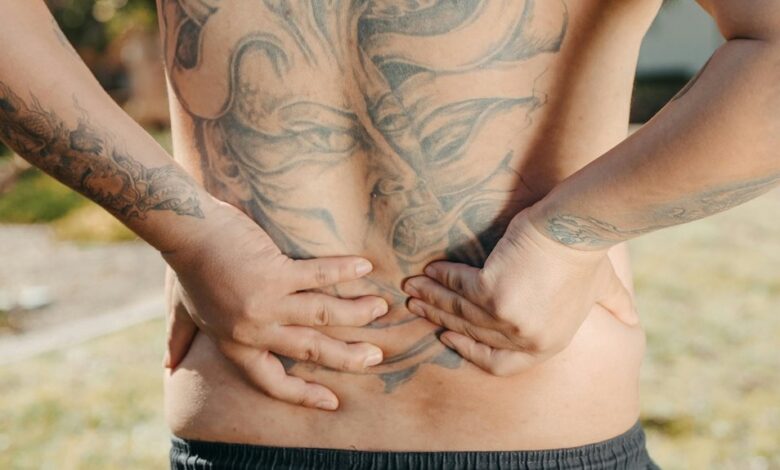
Back tattoos vary in pain, depending on area, technique, and the person. Some zones feel sharper due to thin skin or proximity to bone, while broader, flat regions tend to be milder. Factors like skin thickness, nerve density, and session length influence discomfort. Practical strategies and honest expectations can help, but individual responses differ. The next sections outline where pain tends to spike, what styles matter, and how to manage it effectively. A fuller picture awaits, with practical guidance tied to real experience.
What Creates Back-Tattoo Pain and How It Feels
Back-tattoo pain results from a combination of skin thickness, nerve density, and exposure duration to the tattoo machine. This analysis reviews how back anatomy governs sensation, with attention to dermal layers and tissue resilience.
Neck shadowing can influence perceived discomfort by altering posture.
The observer notes that pain varies with technique, area, and individual sensitivity, guiding informed, freedom-centered decisions.
Pain Levels by Back Area and Tattoo Style
Pain levels vary by both back area and tattoo style, reflecting differences in skin thickness, tissue depth, and the duration of exposure to the tattoo process.
Back anatomy influences sensation: broad, flat areas tend to be milder, while bony or curved regions feel sharper.
Practical Tactics to Reduce Discomfort During Sessions
What practical steps can help minimize discomfort during back tattoo sessions, and how effective are they in real-world settings?
Studies and practitioner insights support structured preparation, steady breathing techniques, and scheduled breaks.
Back stretching pre- and post-session may enhance posture, while controlled breathing reduces muscle tension.
Evidence remains mixed but suggests modest, real-world relief when combined with professional technique and client communication.
Pain Variation: Personal Factors and Realistic Expectations
For many people, pain experience during back tattooing varies widely due to individual factors and realistic expectations. Individual pain perception is influenced by body site, anxiety levels, prior tattoos, and sleep quality. Realistic expectations help reduce distress during sessions.
Consider variations in back healing timelines and nerve sensitivity, noting that sensations may persist after sessions but typically lessen with proper care and gradual healing.
Conclusion
Back tattoos vary in pain depending on area, technique, and individual factors. The evidence suggests skin thickness, proximity to bone, and nerve density influence sensation, while breaks, breathing, and artist skill affect discomfort. Realistic expectations and clear communication aid planning. Overall, pain is manageable with preparation and pacing, though some spots may feel sharper or more persistent. In short, the experience is a personal map—like a tattooed compass—guiding one through a landscape of sensation toward a finished piece.