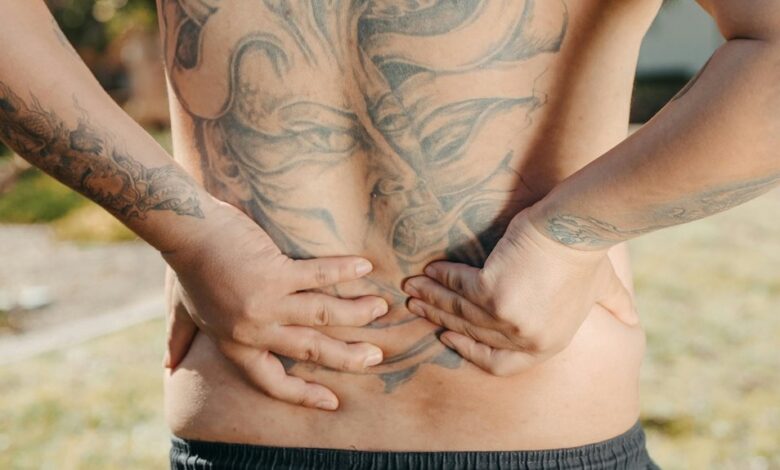
Pain levels for spine tattoos vary with anatomy, technique, and individual thresholds. Nerve proximity, skin thickness, and vertebral contours influence sensation, while needle depth and session duration shape discomfort. Short, steady passes and proper breathing aid tolerance. Preparation, sterile technique, and in-chair coping strategies matter, as do breaks and distraction. Aftercare supports healing. The factors are nuanced, and understanding them helps set expectations, prompting consideration of how to plan, pace, and communicate with the artist.
Do Spine Tattoos Hurt? What Affects Pain Levels
Pain during spine tattoos varies widely among individuals due to anatomical and procedural factors. The discussion centers on spine anatomy and pain perception, highlighting how nerve proximity, skin thickness, and vertebral contours influence sensation. Individual thresholds and contextual stress modulate experiences. Conservative estimates emphasize variation, while practitioner technique and preparation can mitigate discomfort, supporting informed choices and broader personal freedom in body art decisions.
How Pain Is Measured in Tattooing Along the Spine
Measuring pain during tattooing along the spine relies on standardized, real-time assessment tools and post-procedure recall to capture sensory intensity and distress levels. Researchers employ numeric rating scales and qualitative descriptions to quantify spine pain experiences, enabling cross-study comparisons.
Data are analyzed for reliability and validity, informing practice guidelines and patient expectations while respecting individual variability and personal freedom in choosing pain management strategies.
Technique, Duration, and Avoiding Excess Pain
Techniques for spine tattooing influence both precision and comfort, making the procedural approach a key factor in minimizing discomfort. The discussion notes technique contrast as a determinant of tactile control and nerve engagement, with shorter sessions and targeted breaks reducing cumulative pain signals. Relief strategies include steady needle tempo and real-time feedback, supporting consistent depth without unnecessary tissue trauma.
Practical Prep, In-Chair Coping, and Aftercare for Spine Tattoos
Practical preparation for spine tattoos centers on evidence-based planning, in-chairs strategies, and structured aftercare to minimize risk and enhance outcomes. Preparation emphasizes spine anatomy awareness, sterile technique, and medical clearance when needed. In-chair coping focuses on controlled breathing, distraction, and informed pain perception management. Aftercare targets infection prevention and tissue healing, with patient education about activity modification and symptom monitoring for optimized long-term results.
Conclusion
Spine tattoo experience varies with anatomy, technique, and individual pain tolerance. Evidence indicates nerve proximity, skin thickness, and vertebral contours largely influence discomfort, while session length, steady rhythm, and breathing strategies help manage pain. Preparation, sterile technique, and structured aftercare support healing and reduce distress. In short, pain is not uniform but predictable with planning and pacing. Envision the spine as a coastline: some waves are gentle, others crest abruptly, yet careful navigation keeps the voyage manageable.