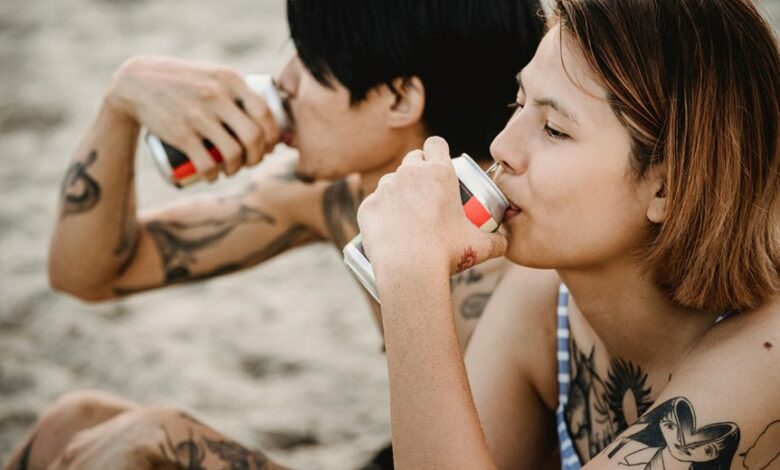
Alcohol can affect tattoo healing by potentially increasing bleeding and swelling early on. Timing matters: delaying alcohol support hemostasis, while ongoing hydration aids recovery. If drinking occurs, moderation is key and one should watch for signs of trouble such as excessive redness, oozing, or worsening swelling. Practicing careful aftercare and avoiding shared objects helps protect the tattoo. For those observing unusual healing cues, medical advice may be warranted, and decisions about alcohol should be adjusted accordingly.
How Alcohol Affects Tattoo Healing and Why Timing Matters
Alcohol consumption can impair tattoo healing by affecting blood clotting, increasing bleeding risk, and prolonging inflammation.
The wound healing interplay includes immune response, cell replication, and tissue repair, all sensitive to alcohol-related disruption.
Timing matters: delaying alcohol intake supports hemostasis and reduces edema.
Tip: alcohol may hinder initial healing stages; observed effects emphasize cautious use during the early post-ink period for optimal outcomes.
When You Can Safely Drink After Getting Inked
For most people, a brief postponement of alcohol intake after getting inked supports the body’s healing process without significantly delaying recovery. In this context, safe consumption is tied to individual healing pace and hydration habits.
Moderate drinking may resume after 24–48 hours if the tattoo shows no swelling or oozing.
Consider social considerations and hydration as central to balanced recovery.
Practical Aftercare Tips to Protect New Tattoo While Socializing
Practical aftercare becomes essential when socializing, as exposure to environments and activities can pose risks to a fresh tattoo.
The discussion highlights simple, evidence-based practices: maintain clean hands, avoid abrasive surfaces, and choose breathable clothing.
Aftercare habits include gentle cleansing and patting dry.
Socializing tips emphasize avoiding shared equipment and peak sun exposure, supporting durability and optimal healing trajectory.
Red Flags: Signs of Trouble and What to Do Quickly
Despite careful aftercare and mindful socializing, some warning signs may indicate the need for prompt assessment or intervention. Red flags include increasing redness, swelling, warmth, fever, or pus, signaling possible infection. Quick actions: seek medical advice promptly, avoid further irritants, and follow professional guidance. Timing importance: early response reduces complications; consider alcohol effects on healing and hydration while monitoring symptoms.
Conclusion
In the quiet hum of a clinic, the answer aligns with the ink: moderation matters as much as timing. Coincidentally, the same week a patient noted swelling, another article warned of dehydration, both underscoring that alcohol can influence hemostasis and healing pace. When in doubt, delay and hydrate. If red flags arise, professional guidance follows. The takeaway: thoughtful pacing, vigilant aftercare, and measured social sipping support a safer, steadier healing trajectory.