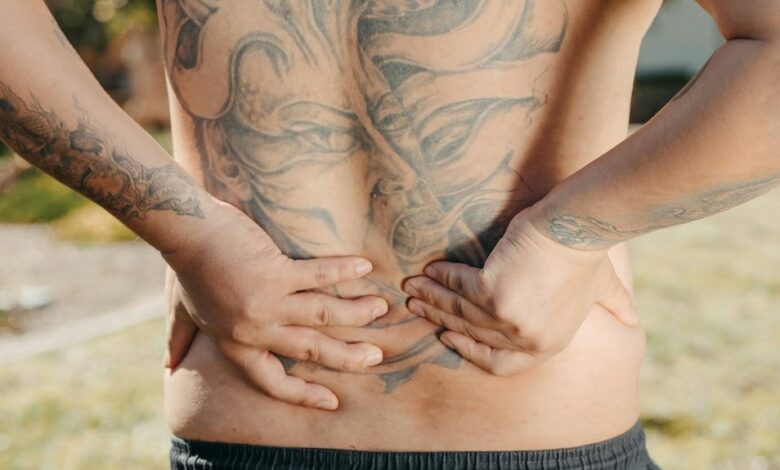
A spine tattoo tends to be more painful than many areas due to thin skin, limited cushioning, and dense midline nerve pathways near the vertebrae. Factors such as needle depth, speed, and technique influence sensation. Proximity to bone amplifies discomfort, while inadequate muscle coverage can heighten sensitivity. Practical pain management and careful aftercare are essential, but the exact experience varies by individual and design. The balance of technique, preparation, and recovery holds crucial implications for the outcome—and the next steps may surprise.
Does the Spine Hurt More Than Other Areas?
The sensation of spine tattoos is often reported as more intense than many other body areas due to the combination of thin skin, proximity to bone, and sparse muscle.
Does the spine hurt more, compared to other areas, is influenced by anatomy and technique.
Factors increasing pain on the spine exist, yet pain management during the session and aftercare to minimize discomfort are effective.
What Factors Increase Pain on the Spine?
Several anatomical and procedural factors heighten spine tattoo pain: proximity to the vertebral bone and thin overlying skin, reduced muscle cushioning in many regions, and the spine’s dense innervation near the midline.
In-depth evaluation emphasizes brainstorming logistics and tattoo pain factors, guiding expectations with precise evidence.
Variability stems from anatomy, needle depth, and craft technique, underscoring data-driven planning for informed, freedom-oriented decision making.
Pain Management Tactics for the Session
Pain management during a spine tattoo session hinges on anticipatory planning, real-time strategies, and evidence-based adjustments to optimize comfort without compromising precision. The approach emphasizes understanding individual thresholds, establishing session timing, and employing proven techniques such as controlled breathing, distraction, and topical anesthetics. Clinicians tailor interventions, monitor responses, and adjust pacing to maintain steady workflow and minimize discomfort without sacrificing accuracy.
Aftercare and Recovery to Minimize Discomfort
Aftercare and recovery strategies are pivotal to sustaining comfort following a spine tattoo session. Proper wound care reduces infection risk and accelerates healing, while avoiding irritants supports sustained comfort.
Evidence-based guidelines emphasize clean, dry technique, guarded sun exposure, and gradual activity resumption.
Practitioners recommend monitoring for unusual redness or discharge to inform aftercare recovery decisions and minimize discomfort over time.
Conclusion
A spine tattoo often ranks higher on the pain scale than many areas, but experiences vary with individual anatomy and technique. Careful needle depth, steady pacing, and the artist’s adjustments are key determinants. While some clients tolerate the session well, others report heightened discomfort near bone and dense nerve regions. Proper preparation, real-time technique modification, and rigorous aftercare minimize irritation and promote healing. Informed clients should expect variability and employ distraction, breathing, and topical aids to manage transient pain effectively.