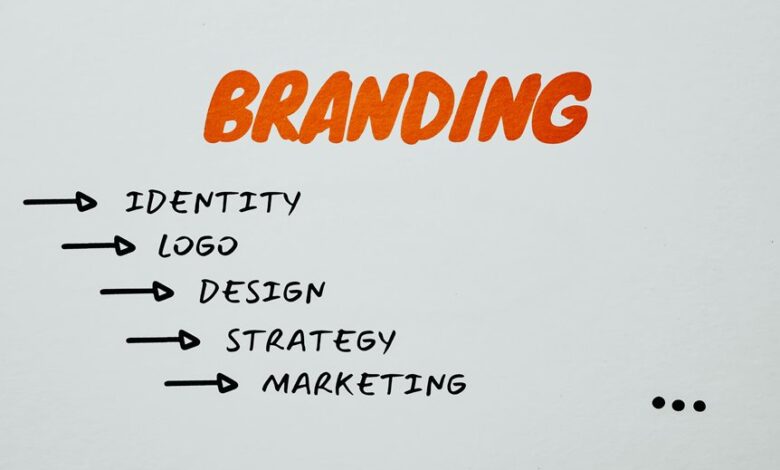
Xevotellos Model Brand Design presents a complete, scalable identity system. It distills strategy into logos, color, typography, and packaging within a modular framework. The brand voice provides concise, visual messaging with a consistent cadence. Cross-functional collaboration aligns design, product, and marketing from inception to execution. The result is a precise, high-impact brand built for transparency and trust, ready to adapt as markets shift—and the next step becomes clearer with each signal.
What Is Xevotellos Model Brand Design and Why It Matters
Xevotellos Model Brand Design defines how a product’s identity communicates value, credibility, and consistency across touchpoints. It translates strategy into recognizable signals that guide purchase decisions and experiences. The approach clarifies purpose, aligns teams, and accelerates growth by shaping two word discussion ideas: Brand perception, Market positioning. It favors freedom, precision, and visual clarity over noise, elevating trust and impact across channels.
Core Visual System: Logos, Color, Typography, and Packaging
The Core Visual System distills brand identity into four leveraged anchors: logos, color, typography, and packaging.
Concept exploration guides logo cohesion, color harmony, and packaging tactility, while typography direction ensures readable impact across media.
Each element aligns to a modular system, enabling flexible applications for diverse contexts.
The result is a visually free, strategically precise framework that empowers deliberate, confident expression.
The Brand Voice and Messaging That Connect With Audiences
How will the brand voice translate into messaging that resonates across audiences and channels?
The brand voice shapes a concise, visual messaging strategy that speaks with clarity and confidence. By aligning tone across touchpoints, it strengthens audience connection, amplifying resonance without noise.
Precise word choice, consistent cadence, and purposeful repetition ensure a distinct, freedom-forward presence and enduring brand memory.
Tone alignment sustains trust.
How Cross-Functional Teams Drive Cohesive, Adaptable Branding
Cross-functional teams knit branding across disciplines, ensuring that creative concepts, technical constraints, and customer insights align from inception to execution.
They orchestrate collaboration between design, product, and marketing for cohesive storytelling, translating vision into measurable actions.
The approach yields adaptable guidelines, enabling quick pivots without eroding identity. Visual assets, tone, and rituals remain consistent, while flexibility supports evolving markets and diverse consumer contexts.
Conclusion
Xevotellos Model Brand Design delivers a crisp, scalable system that promises consistency without stifling iteration. The visual grammar—logos, color, typography, packaging—reads as planned, not performative. Yet the real achievement lies in the cross-functional choreography: product, marketing, and design moving with a single heartbeat. Satire aside, the brand’s discipline becomes a performance of clarity, reducing guesswork and waste. In short: precise signals, adaptable expression, and just enough awe to keep stakeholders honest.